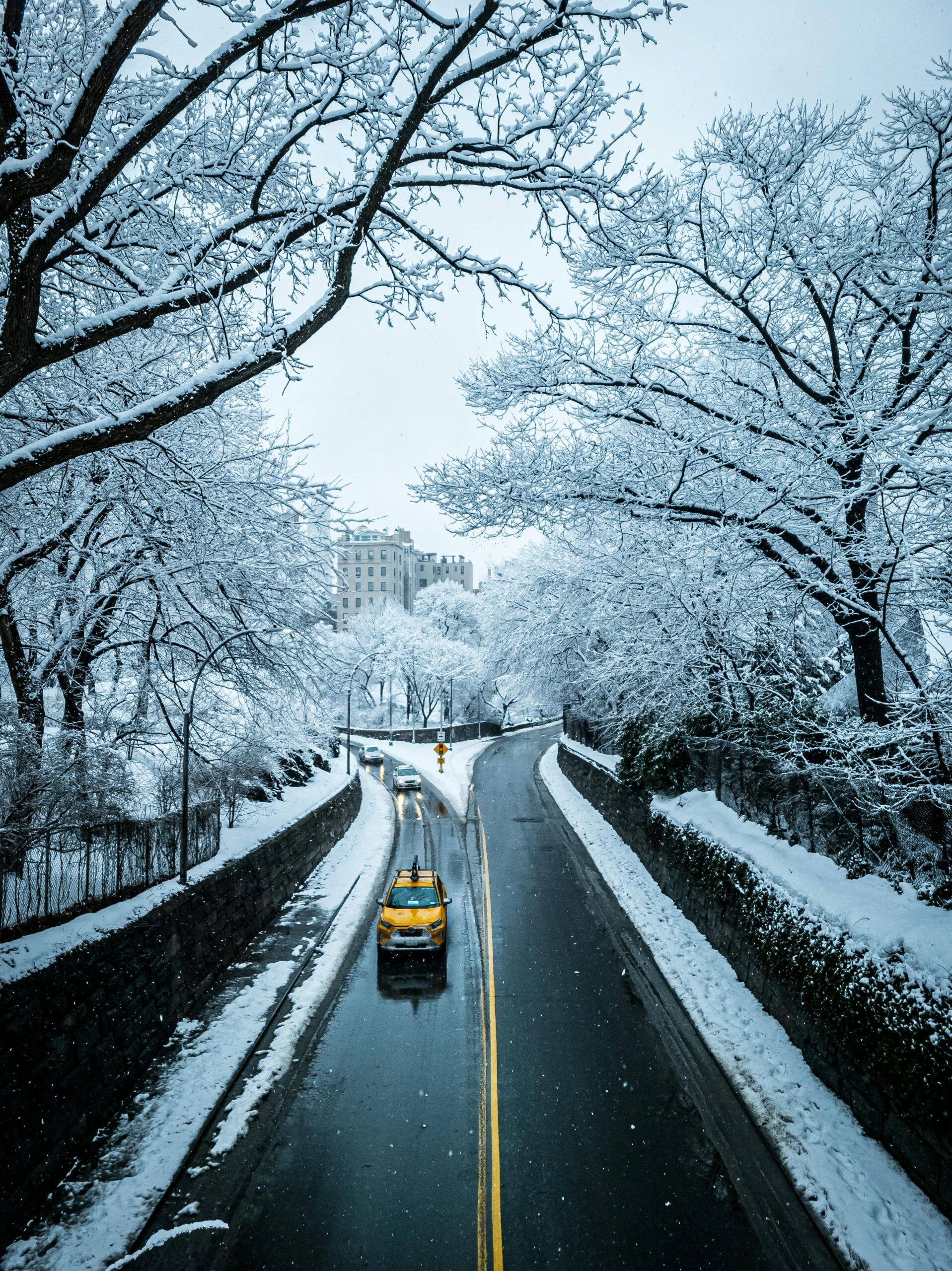
In regions where snow is a defining environmental condition, architecture must address far more than seasonal aesthetics. Snow affects how buildings are structured, detailed, maintained, and experienced over time. From the earliest stages of design through long-term operation, successful buildings in snowy climates respond proactively to snow loads, moisture management, material durability, and maintenance realities. Designing with snow in mind results in safer, long-lasting, and more resilient architecture.
Structural design is foundational to snow-conscious architecture. Snow loads vary widely based on geography, elevation, roof geometry, and wind exposure, and accumulation is rarely uniform. Architects and engineers must consider drifting patterns at parapets, roof-level changes, and mechanical enclosures, where snow can accumulate unevenly and exceed average load assumptions. While building codes establish minimum load requirements, many designers adopt more conservative approaches, particularly as climate change introduces heavier, wetter snowfall events. Roof forms play a significant role in managing these forces. Sloped roofs can encourage shedding but must be carefully designed to control where snow lands, protecting entrances, sidewalks, and lower roofs from dangerous snow slides. Flat roofs, common in contemporary architecture, require robust structural systems, redundant drainage, and regular inspection protocols to prevent deflection, ponding, and long-term structural stress.
The building envelope is equally critical in addressing snow-related challenges. Poorly insulated or leaky assemblies allow interior heat to escape, creating temperature inconsistencies that lead to ice dams. These formations remain among the most common causes of winter-related building damage, often resulting in roof leaks, compromised insulation, and deterioration of interior finishes. To mitigate these risks, architects increasingly prioritize continuous insulation, airtight construction, and thermally broken detailing. Cold-roof assemblies with ventilated cavities help maintain consistent roof temperatures, while durable waterproof membranes provide an additional layer of protection against moisture intrusion. High-performance windows and well-detailed transitions at roof-to-wall connections further reduce heat loss and condensation risk.
Material selection in snowy climates demands a focus on durability and lifecycle performance. Exterior materials must endure repeated freeze-thaw cycles, prolonged moisture exposure, and abrasion from snow removal equipment and deicing chemicals. Metal roofing and cladding systems are often favored for their ability to shed snow and resist moisture damage, while masonry and fiber cement panels provide long-term resilience when meticulously detailed. Wood assemblies, when used, are typically pressure treated or thermally modified to improve resistance to moisture and decay. At grade, paving materials must balance durability with safety, offering slip resistance while withstanding cracking and spalling caused by ice expansion and salt exposure.
Site planning and building orientation also play a significant role in snow management. Thoughtful placement of buildings can reduce snow drifting caused by prevailing winds and improve solar exposure for passive melting. Landscaped buffers, wind screens, and strategically placed walls can help control snow movement across a site. Clear strategies for snow storage are essential, particularly in dense urban or institutional settings where plowed snow must be relocated without damaging plantings, blocking drainage paths, or obstructing accessibility. Entrances, ramps, and egress routes require special attention to ensure they remain safe and code-compliant through the winter months.
Maintenance considerations are a critical, and often underestimated, aspect of designing for snow. Buildings perform best when architects anticipate how snow will be managed from day to day and year to year. This includes providing safe roof access for inspection and snow removal, locating mechanical equipment where it can be serviced during winter, and integrating snow-melt systems at critical points such as main entrances, loading docks, and emergency exits. Durable detailing at vulnerable areas-such as roof edges, gutters, and downspouts- reduces ongoing maintenance demands and helps prevent costly repairs.
As climate patterns continue to shift, designing for snow has become more complex and more important. Many regions now experience fluctuating winter temperatures that lead to heavier snowfall, increased ice formation, and more frequent freeze-thaw cycles. These changing conditions place additional stress on structures, materials, and building systems. As documented by the National Oceanic and Atmospheric Administration (NOAA), https://www.noaa.gov/, increasing winter variability and more frequent freeze-thaw cycles are placing new demands on buildings and infrastructure. These conditions place additional stress on structures, materials, and building systems. Architects are increasingly called upon to design buildings that can adapt to a wider range of winter conditions, using resilient assemblies, flexible maintenance strategies, and informed climate modeling to guide decision-making.
Ultimately, snow should be understood not as an obstacle, but as a fundamental design parameter in cold-climate architecture. When buildings are thoughtfully designed to accommodate snow, from structural systems and envelopes to materials, sites, and maintenance plans, they perform more reliably and age more gracefully. For architects, designing with snow in mind is an opportunity to create buildings that respond intelligently to their environment, demonstrating resilience and long-term value in a demanding climate.
At Scarano Architect, PLLC, we have been designing buildings with snow in mind for over forty years. Being based on the eastern coast has shown us just how brutal and unpredictable snow can be. WE utilize the techniques outlined in this article to help prepare a new building for the devastating structural damage caused by wintry weather, snow, and ice. Please visit our website to see our award-winning projects.