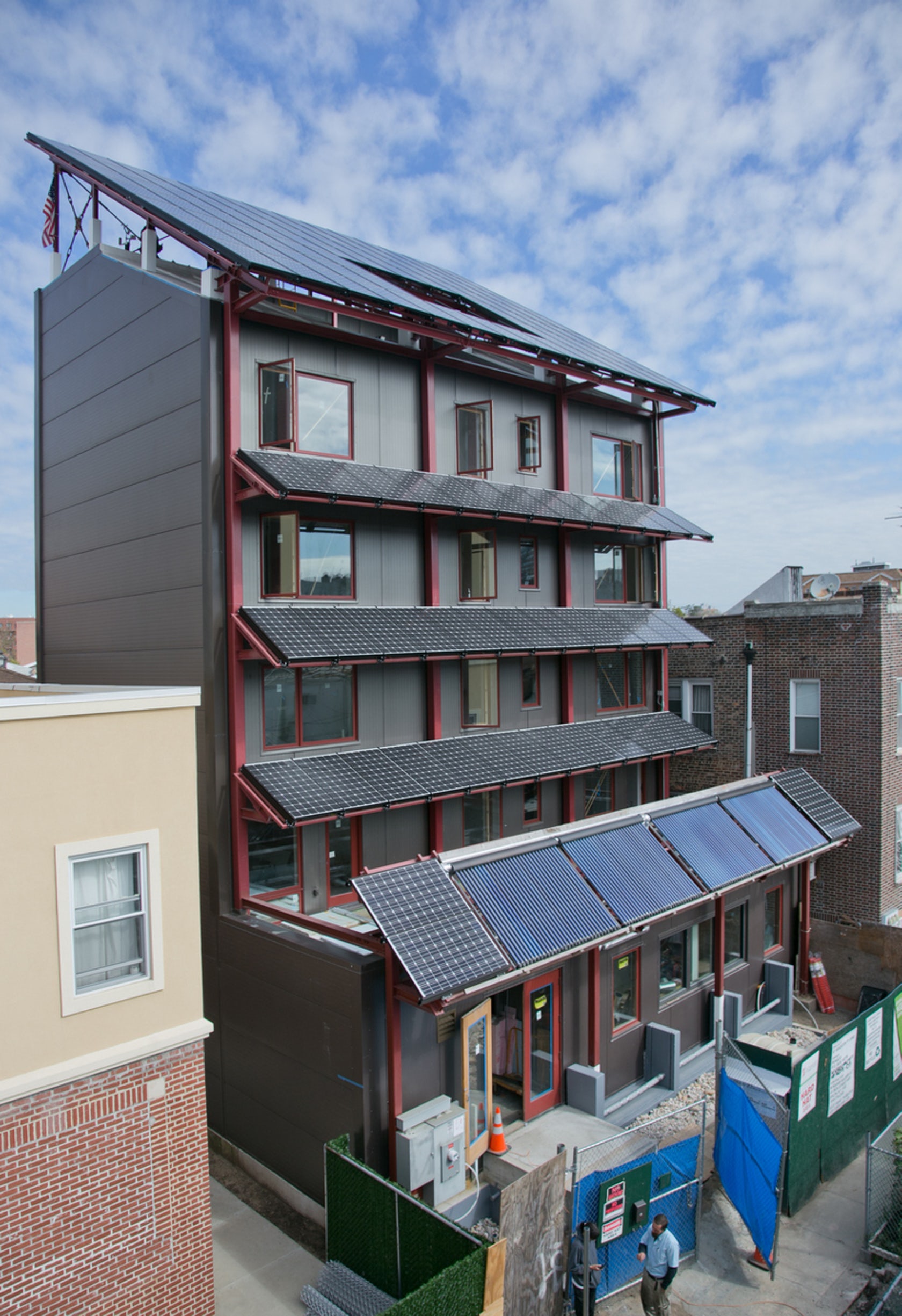
Energy is no longer a background utility-it has become a primary design driver. Across the United States and globally, architects are facing a new reality shaped by grid instability, rising energy costs, extreme weather events, and evolving regulations. From rolling blackouts to peak-demand pricing and carbon accountability, today’s buildings must do more than consume less energy; they must actively manage, store, and even produce it. The shift is redefining architectural priorities at every scale, from single-family homes to large commercial developments.
One of the most significant changes is the move toward energy-resilient design rather than simple efficiency. While efficiency reduces demand, resilience ensures continuity. Architects are increasingly integrating passive survivability strategies-such as natural ventilation, thermal mass, solar orientation, and high-performance envelopes-so buildings remain habitable during outages. These strategies echo long-standing principles of climate-responsive design but are now being re-evaluated through the lens of emergency preparedness and grid failure.
On the active systems side, buildings are evolving into energy hubs. On-site solar arrays, battery storage, geothermal systems, and microgrids are no longer niche features reserved for experimental projects. They are becoming viable, code-supported solutions, especially in regions vulnerable to heat waves, wildfires, or winter storms. For architects, this means earlier and deeper collaboration with engineers, utilities, and energy consultants to ensure that these systems are spatially, structurally, and aesthetically integrated rather than treated as afterthoughts.
Energy volatility is also reshaping urban and multi-building design. Campuses, mixed-use developments, and even neighborhoods are being planned as interconnected energy ecosystems that can share loads, store excess power, and operate independently when needed. This approach challenges traditional parcel-based thinking and opens new conversations about zoning, ownership, and long-term adaptability. Architects now find themselves designing not just buildings, but energy relationships between them.
Equally important is how energy awareness is influencing architectural expression. Mechanical rooms are becoming visible, roofs are productive landscapes, and facades increasingly signal a cultural shift: buildings are beginning to communicate how they work. For an industry often concerned with hiding infrastructure, this transparency offers an opportunity to redefine architectural identity around performance and responsibility.
Ultimately, designing for an uncertain grid reflects a broader shift in the profession. Architecture is moving from a static object-based practice toward a dynamic, system-oriented discipline. As energy becomes less predictable, architects are uniquely positioned to mediate between technology, climate, and human comfort. The buildings designed today will set expectations for how architecture responds-not just beautifully- but intelligently to an unstable energy future.
At Scarano Architect, PLLC, we have experienced energy volatility in the New York City area. Due to increasing energy demand, we have learned to work within the guidelines now set by the energy commission. Working smarter has proved to be the answer to preventing energy interruptions and blackouts. Building a better, more energy-efficient structure is the key to keeping the power flowing.
Please visit our website to learn more about our energy-efficient buildings, especially “Bright ‘n Green” located in Brighton Beach, Brooklyn, New York.