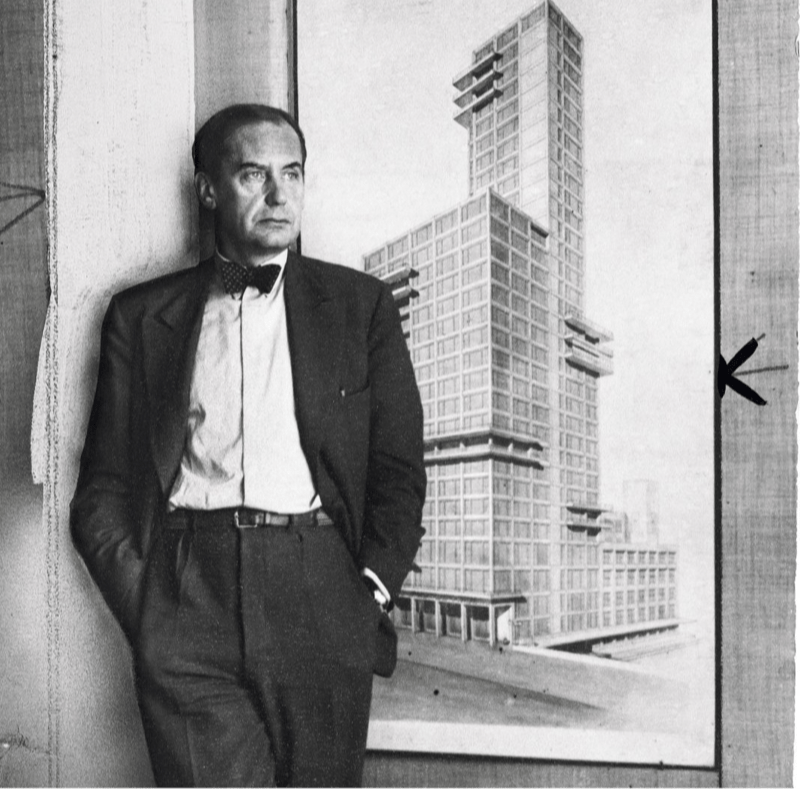
Architecture is constantly changing, yet many of the ideas shaping today’s buildings can be traced to architects and designers who worked generations ago. Few individuals had a greater influence on modern architecture than Walter Gropius, the German architect and founder of the Bauhaus.
More than a century after Bauhaus was founded, Gropius’s ideas about simplicity, function, collaboration, technology and the relationship between design and everyday life remain remarkably relevant. Modern architects may have access to materials, building systems and digital technologies that Gropius could never have imagined, but many of the questions he asked are the same questions architects continue to address today.
At Scarano Architect, PLLC, studying architects such as Walter Gropius is about more than looking into the past. Architectural history can help
Homeowners, developers, investors, and others considering a building project better understand why architects make certain design decisions and how yesterday’s ideas continue to influence today’s buildings.
Who Was Walter Gropius?
Born in Germany in 1883, Walter Gropius became one of the central figures of the Modern Movement in Architecture. He is best known as the founder of the Bauhaus, the influential German school of art, architecture and design established in 1919.
The Bauhaus challenged many traditional ideas about design. Rather than treating architecture, art, craftsmanship and technology as separate disciplines, Gropius believed they could work together.
This interdisciplinary philosophy helped reshape architectural education and eventually influenced architecture and design worldwide.
The Bauhaus also represented a movement away
from excessive decoration toward buildings and objects whose appearance reflected their purpose, materials, and methods of construction. Clean lines, practical layouts, modern materials, and efficient construction became increasingly important.
Today, these concepts may seem familiar; however, in Gropius’s time, they represented a dramatic change in thinking.
Function Still Matters
One reason Gropius remains relevant is that architecture still begins with a fundamental question: How will people use this space?
A successful building cannot simply look impressive. It must work.
Homes must accommodate the way people live. Apartment buildings must balance private and shared spaces. Restaurants must consider circulation, kitchens, dining areas, and customer experience. Commercial buildings must support businesses while meeting complicated technical requirements.
In a city such as New York, architects must also consider zoning, building codes, accessibility, energy performance, existing structures, neighboring properties, and countless other factors.
The idea that design should respond intelligently to function remains one of the foundations of modern architectural practice.
Collaboration is More Important Than Ever
Gropius also promoted collaboration between different creative and technical disciplines.
That concept has become even more important in contemporary architecture.
A modern architectural project may involve architects, engineers, contractors, interior designers, consultants, developers, building owners, government agencies, and specialists in sustainability, energy performance, and technology.
The architect often serves as the person who coordinates these different requirements while maintaining a coherent vision for the project.
Gropius’s belief that architecture should bring different disciplines together therefore feels surprisingly contemporary.
Technology Changes, but Architectural Questions Remain
The Bauhaus developed during an age of enormous technological and industrial change. Architects experimented with new materials, manufacturing processes, and construction methods.
Today’s architectural profession is experiencing another technological transformation.
Digital modeling, advanced building systems, energy-efficient materials, artificial intelligence, prefabrication, and increasingly sophisticated construction technologies are changing how buildings are designed and constructed.
Yet technology alone does not create good architecture.
The challenge is determining how technology can be used to create buildings that are functional,
efficient, durable, and enjoyable for the people who occupy them. In that respect, the questions confronting architects today are closely related to those explored by Gropius and his contemporaries.
From Bauhaus Efficiency to Sustainable Architecture
Another interesting connection between Gropius and contemporary architecture is the growing emphasis on efficiency.
Today’s architects must think about energy consumption, building performance, responsible material selection, adaptive reuse, and the environmental impact of construction.
Sustainability, as we understand it today, was not the environmental movement of Gropius’s era. Nevertheless, the Bauhaus emphasis on rational design, efficient construction, and the avoidance of unnecessary elements provides an interesting historical foundation for many conversations in architecture today.
More sustainable architecture, energy-efficient building design, and adaptive reuse architecture take these ideas much further, using technology and environmental research to create buildings that can perform better while consuming fewer resources.
Learning About Architecture Before Beginning a Project
For someone preparing to renovate a home, develop a property, convert an existing building, or undertake a commercial project, architectural knowledge can be extremely valuable.
A client does not need to become an architect. However, understanding basic architectural ideas can make conversations with architects and other building professionals much more productive.
This is one reason Scarano Architect, PLLC extensively uses its architectural blog to explore subjects extending beyond the firm’s individual projects.
Architecture is connected to history, technology, economics, sustainability, psychology, geography, building codes, changing lifestyles, and even cultural movements. Understanding these subjects helps people recognize that architecture involves much more than drawing plans or selecting a building’s appearance.
An educated client can ask better questions.
Why is a particular layout being recommended? Could an existing structure be reused rather than demolished? How might natural light affect space? Which materials make sense for the building? How could the property accommodate changing needs in the future? What limitations might zoning or building codes create?
These are architectural questions, but they are also practical ones that can directly affect a project’s success.
The Scarano Architect Approach to Architectural Education
For more than 40 years, Scarano Architect, PLLC has worked in the architectural field on a wide variety of building types and projects.
That experience reinforces an important lesson: no two architectural projects are exactly alike.
Every client arrives with different goals. Every property presents different opportunities and limitations. New York City, in particular, presents architects, property owners, and developers with a complex combination of existing buildings, zoning requirements, and building codes. Neighborhood context and changing marketing demands.
The Scarano Architect blog is therefore intended not simply to highlight completed work but also to provide useful architectural information.
By discussing influential architects such as Walter Gropius as well as subjects including modern architecture, New York City architecture, adaptive
reuse, building codes, architectural technology, historic preservation, and residential and commercial architecture, Scarano Architect, PLLC can help visitors develop a broader understanding of the profession.
That knowledge becomes especially valuable when those visitors eventually have their own architectural project.
Why Walter Gropius Still Matters
Walter Gropius died in 1969, but many of the ideas he promoted have become so deeply embedded in modern design that we may no longer recognize their origins.
Collaboration between disciplines, functional planning, honest use of materials, efficient construction, and the integration of art, technology, and architecture continue to influence the built environment.
Perhaps that is the greatest indication of Gropius’s importance.
The buildings of the twenty-first century do not need to look like Bauhaus buildings. Architecture has continued to evolve, and today’s architects face environmental, technological, social, and economic challenges that Gropius could not have anticipated.
What remains is the way of thinking behind his work: questioning convention, understanding how people will use space, embracing appropriate technology, collaborating across disciplines, and designing with purpose.
At Scarano Architect, PLLC, exploring the architects, movements, and ideas that shaped the profession is part of understanding where architecture can go next. By sharing that knowledge, we hope to make architecture more accessible to our clients, colleagues, and readers-and help people approach their own projects with greater understanding and confidence.
Architecture is ultimately a continuing conversation between the past, the present, and the future. Walter Gropius remains an important part of that conversation.